
About us
The Pan American Institute of Naval Engineering is a non-profit civil society dedicated to stimulating the development of naval engineering and water transport in the Pan American continent.
AS LONG AS THERE IS A SEA, THERE WILL BE SHIPS; AND AS LONG AS THERE ARE SHIPS, THE IPIN WILL EXIST.
Romir Ribeiro
Goals
The objectives of the Institute, which may be identified by the acronym IPIN AMERICAS, are:
A) To promote, internationally and especially in the American continent, the progress of naval engineering and technology, navigation, the naval industry and port activity in all its related sectors, including parallel and subsidiary activities.
B) To stimulate in all ways the teaching of naval engineering and technology, and to activate the exchange of ideas and information among its members, disseminating the results of research and the improvement of the construction and operation of ships, their machinery and equipment.
C) To cooperate with similar institutions throughout the world for the development of naval engineering and technology.
D) To regularly publish series of articles and information of interest on naval engineering and technology for dissemination among its members. E) To hold congresses, symposia, and conferences on naval engineering, navigation, the shipbuilding industry, and port activity.
Naval and Maritime Engineering
We promote the development and excellence of naval and maritime engineering in America, fostering technical exchange, innovation and the application of best practices in the design, construction, operation and maintenance of ships and naval infrastructure.
Naval and Port Industry
We promote the strengthening of the naval and port industry through collaboration between professionals, companies, shipyards, port terminals and institutions, fostering the sustainable and competitive growth of the sector in the region.
Training and Professional Development
We promote the continuous training of engineers, technicians and students through congresses, symposia, conferences and academic activities, facilitating the dissemination of knowledge, research and professional development in the naval field.
International Cooperation and Networks
We promote international cooperation between countries, institutions and related organizations, generating technical and scientific collaboration networks that contribute to the comprehensive development of the naval, maritime and port sector in the Americas.
Employers' associations and collectives
IPIN Americas Activity
IPIN Americas develops and promotes activities related to naval, maritime, and port engineering in all member countries of the Institute, in line with its founding mission and objectives. Through technical cooperation, knowledge exchange, and collaboration among professionals, institutions, and companies, the Institute drives the development of the naval sector in the Americas, fostering best practices, innovation, and sustainable growth.
The actions of IPIN Americas are carried out through congresses, symposia, technical conferences, specialized publications and academic activities that reflect the reality and needs of the naval and maritime sector of each member country.
Board of Directors

DR. PEDRO LAMEIRA
PRESIDENT IPIN AMERICAS

D.SC. MARICRUZ FUN SANG C.
FIRST VICE PRESIDENT

Eng. Carlos Maria Godinez
SECOND VICE PRESIDENT
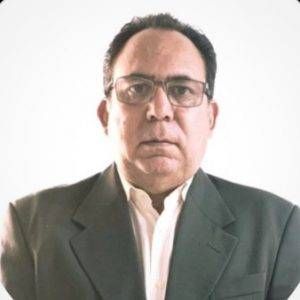
WILSON A. SANCHEZ NIÑO
EXECUTIVE SECRETARY
Members of the Advisory Council
Period 2025–2027
| Country | Organ | Title | Name and Surname |
|---|---|---|---|
| Argentina | Advisory Council | Engineer | Jorge Pérez Prieto |
| Argentina | Advisory Council | Engineer | Lucas Toubes |
| Argentina | Advisory Council | Engineer | Martín D'Elía |
| Brazil | Advisory Council | Professor Doctor | Emmanuel Santiago Pereira Loureiro |
| Brazil | Advisory Council | Professor Doctor | Delmo Alves de Moura |
| Brazil | Advisory Council | Professor Doctor | Jean David Caprace |
| Chile | Advisory Council | Vice Admiral (Ret.) | Giancarlo Stagno Canziani |
| Chile | Advisory Council | Rear admiral | Jaime Sotomayor Bustamante |
| Colombia | Advisory Council | Rear admiral | Walter Olmedo Wilches Carvajal |
| Colombia | Advisory Council | Vice Admiral (Ret.) | Jorge Enrique Carreño Moreno |
| Cuba | Advisory Council | Licensed | Natasha Águila Valdés |
| Cuba | Advisory Council | Doctor Sc. | Roberto L. González Suárez |
| Cuba | Advisory Council | Doctor | Amado Galiano Ortiz |
| Ecuador | Advisory Council | Doctor MSc. | Alexander Joffre Chanaba Ruiz |
| Ecuador | Advisory Council | Captain | Ivan Arias |
| Ecuador | Advisory Council | Doctor MSc. | Tadea Quintuna |
| Spain | Advisory Council | Doctor | Luis Carral |
| Mexico | Advisory Council | Engineer | Marvin Gutierrez |
| Mexico | Advisory Council | Engineer | Aguivar Olidel Vite |
| Mexico | Advisory Council | Engineer | Mariana Silva Ortega |
| Panama | Advisory Council | MY (MONDAY) | Marcial Olivardia Rowe |
| Panama | Advisory Council | Engineer | Hector Ruiz |
| Uruguay | Advisory Council | Captain (R | Ruizdael Ramallo Caramés |
| Uruguay | Advisory Council | Commander | Enrique Philippi |
| Uruguay | Advisory Council | Engineer | Enrique de Souza |
Past Presidents and Emeritus Members
| Country | Name | Period | Copinaval |
|---|---|---|---|
| Brazil | Admiral Jose Celso de Macedo Soares Guimaraes | 1967-1969 | Rio de Janeiro |
| Brazil | Admiral Jose Celso de Macedo Soares Guimaraes | 1969-1971 | Rio de Janeiro |
| Argentina | Captain Enrique Carranza | 1971-1973 | Buenos Aires |
| Peru | Calm. César Villarán Tapia | 1973-1975 | Five |
| Venezuela | Eng. Gonzalo Peñaloza Arenas | 1975-1977 | Caracas |
| Mexico | Eng. Marvin Ángel Gutiérrez Morales | 1977-1979 | Veracruz |
| Chile | Calm. Oscar Paredes Vignolo | 1979-1981 | Viña del Mar |
| USA | Calm. James Walter Lisanby | 1981-1983 | Washington |
| Ecuador | Calm. Guillermo Dueñas Iturralde | 1983-1985 | Guayaquil |
| Brazil | Engineer Mauro Fernández Ortiño Campos | 1985-1987 | Rio de Janeiro |
| Chile | Calm. Harald Rosenqvist | 1987-1989 | Viña del Mar |
| Argentina | Eng. Héctor Jorge Macchi | 1989-1991 | Buenos Aires |
| Venezuela | Valm. Ignatius Rock Cimarro | 1991-1993 | Caracas |
| Peru | Calm. Renán Zúñiga Mossone | 1993-1995 | Five |
| Uruguay | Eng. Juan Carlos Camaccio | 1995-1997 | Montevideo |
| Colombia | Admiral Edgar Romero Vásquez | 1997-1999 | Cartagena de Indias |
| Mexico | Eng. Marvin Ángel Gutiérrez Morales | 1999-2001 | Veracruz |
| Cuba | Dr. José González Cobas | 2001-2003 | Havana |
| Ecuador | Eng. Cristóbal Mariscal Díaz | 2003-2005 | Cartagena |
| Brazil | Ing. Carlos Rui Botter | 2005-2007 | Saint Paul |
| Uruguay | Eng. Carlos Fanta de la Vega | 2007-2009 | Montevideo |
| Argentina | Eng. Berta Assie | 2009-2011 | Buenos Aires |
| Venezuela | Eng. José Passariello Verdichio | 2011-2013 | Margarita Island |
| Uruguay | Ing. Julio Coppola | 2013-2015 | Montevideo |
| Panama | Eng. Adán Vega Saenz | 2015-2017 | Panama |
| Colombia | Valm. (ra) Jorge Enrique Carreño Moreno | 2017-2019 | Colombia |
| Cuba | Dr. José González Cobas | 2019-2022 | Cuba |
| Mexico | Eng. Marvin Ángel Gutiérrez Morales | 2022-2024 | Veracruz |
| Peru | Engr. José Luis Mantari | 2024-2025 | Five |
| Brazil | Dr. Pedro Dias Lameira | 2025-2027 | Bethlehem |
Directors
Our directors are leading figures in the naval and maritime fields in their respective countries, with extensive professional experience and a commitment to the development of naval engineering, the maritime industry, and technical cooperation at the Pan-American level.

Eng. Carlos María Godínez
Director of Argentina

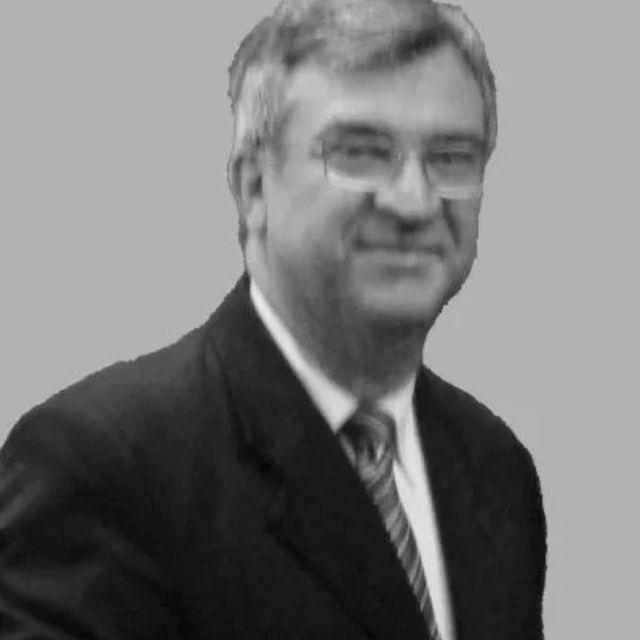
Prof. Dr. Rui Carlos Butter Butter
Director of Brazil

Rear Admiral José Hernández Jacir
Director of Chile

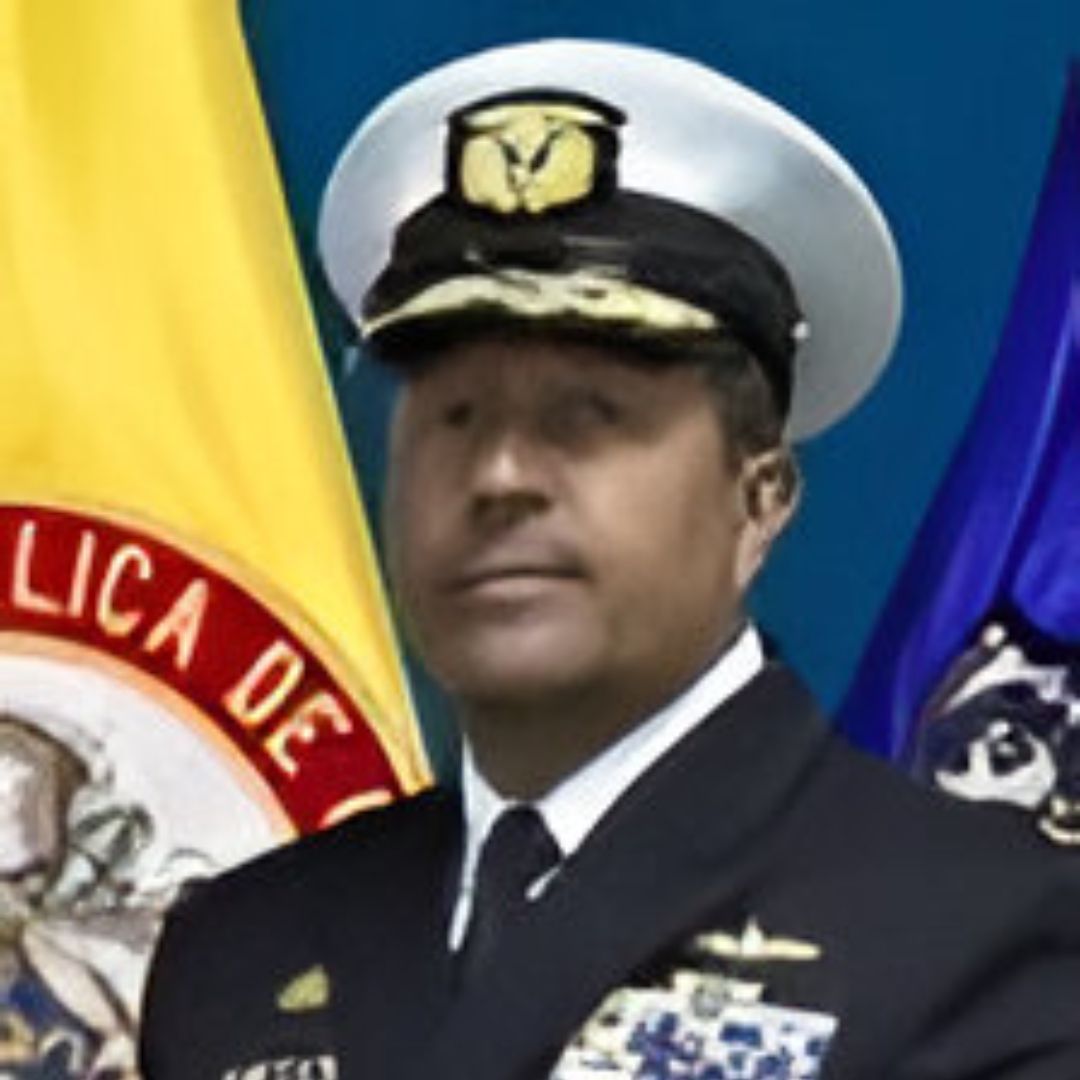
Vice Admiral Luis Fernando Márquez Velosa
Director of Colombia

Dr. A.S. Dear Francisco Galiano Ortiz
Director of Cuba

Dr. A.S. Alexander Joffre Chanabá Ruiz
Director of Chile


A. Aguivar Olidel A. Vite Florez
Director of Mexico

Dr. Edgar Huerta Barrón
Director of Panama

Mag. Naval Engineer David Nicanor Amaya Fuertes
Director of Peru


Dr. Ruizdael Ramallo Caramés
Director of Uruguay

Vice Admiral (Ret.) Gerson Padrón García
Director of Venezuela

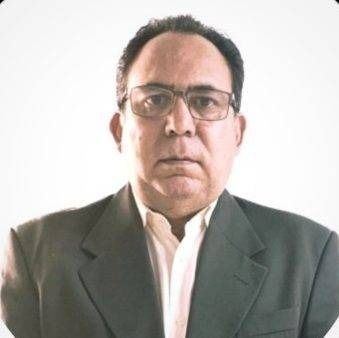
WILSON A. SANCHEZ NIÑO
Executive Secretary
Telephone: 57-3212584961
Email: secretarioejecutivo@ipinamericas.org
Our History
Founded in 1966
The Pan American Institute of Naval Engineering (IPIN Americas) is a non-profit civil society dedicated to promoting and stimulating the development of naval engineering, water transport and the naval industry in the Americas.
Its origins date back to 1966, during the first Pan-American Congress of Naval Engineering (COPINAVAL), held in Rio de Janeiro, Brazil. That pioneering meeting brought together hundreds of professionals and specialists from different countries, laying the foundations for an integrated vision focused on technical cooperation, knowledge exchange, and the strengthening of naval engineering in the region.
Present
Since then, IPIN Americas has solidified its role as a leading forum for the naval and maritime sector, promoting research, innovation, professional training, and the development of technical capabilities. Throughout its history, COPINAVAL, a biennial event organized under the auspices of the Institute, has traveled to various countries across the continent, adapting its themes to the challenges and realities of the naval, maritime, and port industries in each region.
Currently, IPIN Americas operates in 11 countries across the Americas—Colombia, Mexico, Panama, Cuba, Venezuela, Ecuador, Peru, Brazil, Chile, Uruguay, and Argentina—and maintains Spain as a strategic partner, strengthening technical and academic exchange at the international level. This expansion has allowed the Institute to broaden its reach and consolidate its presence in the Ibero-American and global spheres.
The Institute brings together naval engineers, technicians and students, as well as shipyards, ship classification societies, naval machinery and equipment companies, port terminals, universities and other related entities, making it possible to address the development of the sector from a comprehensive and multidisciplinary perspective.
The activities of IPIN Americas are complemented by the dissemination of technical and scientific papers produced at international congresses and meetings, which constitute a valuable contribution to the knowledge and evolution of naval engineering. These publications reflect the Institute's ongoing commitment to staying current on key topics such as naval design, marine propulsion, port engineering, sustainability, and technological innovation.
The organization functions as a permanent forum for collaboration, technical and scientific exchange, and knowledge dissemination, promoting international cooperation and strengthening the technical capabilities of the naval and maritime sector in the region.
The Board of Directors of IPIN Americas, composed of a President, Vice Presidents and an Executive Secretary, is responsible for leading and coordinating institutional activities, ensuring the continuity of the founding values and the future projection of the Institute.
Summary
History of the COPINAVALES
The Pan-American Congress of Naval Engineering (COPINAVAL) began in 1966 in Rio de Janeiro, Brazil, with its first edition. This foundational event brought together more than 400 participants from countries in the Americas and other continents, and marked a significant milestone with the approval, during the congress, of the creation of the Pan-American Institute of Naval Engineering (IPIN) as a technical and professional integration body for the naval sector in the Americas.
From its inception, COPINAVAL was conceived as a forum for regular meetings of naval engineers, technicians, academics, authorities, and representatives of the maritime industry, with the aim of promoting the exchange of knowledge, the presentation of technical papers, and the strengthening of regional cooperation. Over the years, the congress adopted a rotating format, taking place in different countries across the Americas and consolidating its Pan-American scope.
During its first decades, COPINAVAL was held in countries such as Brazil, Argentina, Peru, Venezuela, Mexico, Chile, Ecuador, the United States, and Uruguay, with increasing participation in both the number of attendees and the quantity and quality of the technical papers presented. These initial editions incorporated highly relevant complementary activities, such as Marinexpo, a maritime industry exhibition that accompanied numerous congresses, strengthening the link between engineering, industry, and naval services.
Beginning in the 1980s, COPINAVAL expanded its academic structure by creating specialized symposia, most notably the Pan-American Symposium on Naval Engineering Education (SYMMEDUC) and the Symposium on Military Ship Construction (SYMMISSEL). These forums fostered deeper technical, academic, and strategic debate in key areas of naval and maritime development, solidifying the congress as a leading regional forum.
In the following decades, COPINAVAL continued its sustained growth, achieving greater geographic and thematic diversity. The editions held between 1990 and 2010 reflected broad participation from delegations from the Americas and Europe, with hundreds of attendees and a significant number of technical presentations, keynote addresses, and institutional activities. On several occasions, the opening ceremonies were attended by high-level government officials, demonstrating the event's institutional recognition.
COPINAVAL also served as the venue for strategic decisions for IPIN Americas, such as the selection of future venues, tributes to former presidents and historical figures, and significant administrative changes, including the relocation of the Institute's Secretariat. These events reinforced the institutional character of the congress as a fundamental body for coordination and governance of IPIN.
In its most recent editions, COPINAVAL has maintained its structure of technical congress, specialized symposia, and maritime exhibition, adapting its content to the contemporary challenges of naval engineering, the maritime industry, sustainability, technological innovation, and professional development. The event's continuity over several decades demonstrates IPIN Americas' ongoing commitment to the development and integration of the naval sector in the Americas.
Overall, the history of COPINAVALES reflects a solid and sustained trajectory, which has allowed the consolidation of a Pan-American space of reference for naval and maritime engineering, strengthening the ties between countries, institutions and professionals, and contributing significantly to the technical and academic advancement of the sector.